
Resources > Mental Health & Wellbeing > Ensuring Students Feel Safe, Seen, and Supported in School

Ensuring Students Feel Safe, Seen, and Supported in School

When students feel safe, supported, and seen by their teachers, they don't just learn better — they show up more, engage deeper, and build confidence for their futures.
November 3, 2025
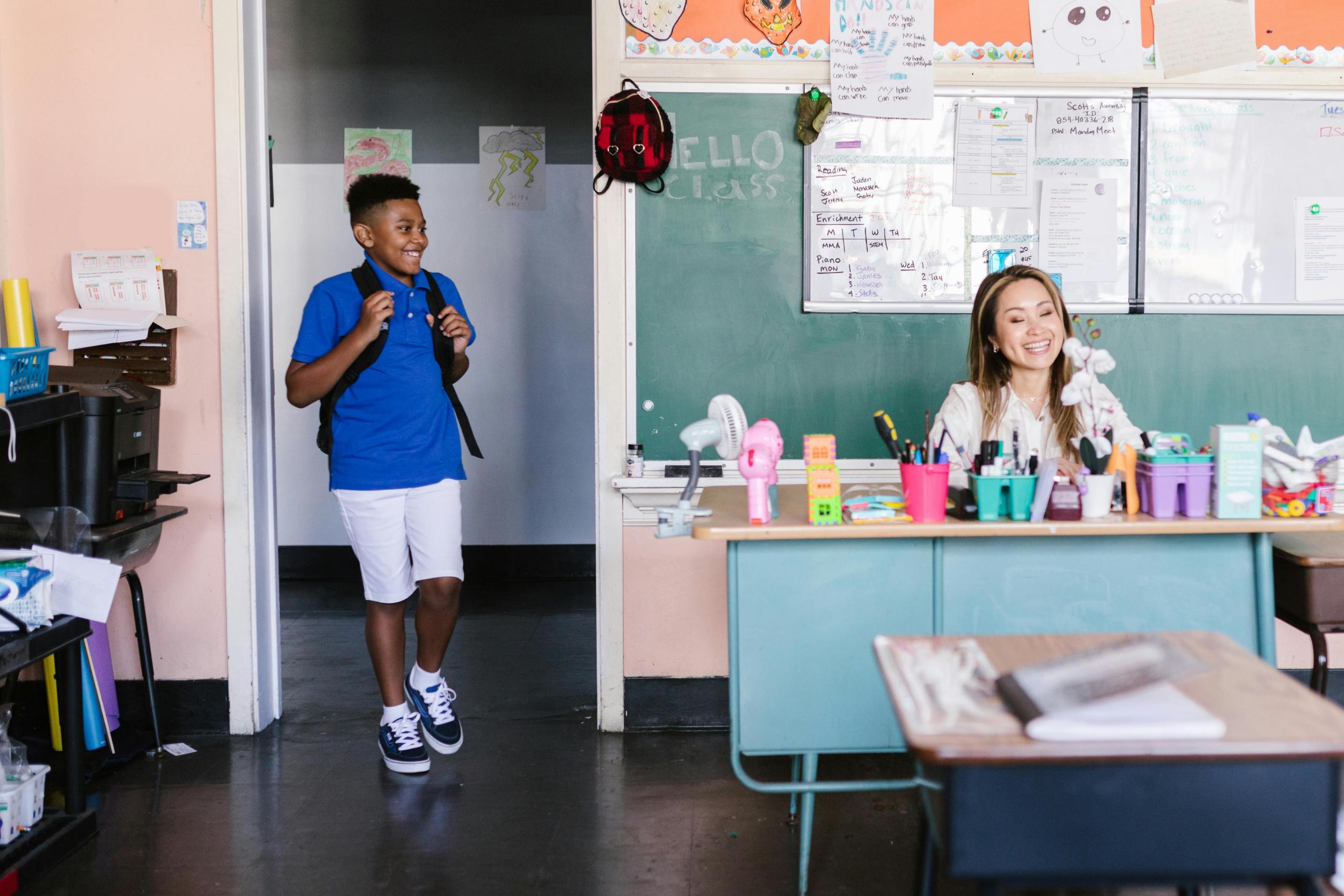
Happy student walking into a classroom

Students thrive when they feel safe, supported, and able to be themselves at school — shaping not only how they learn but how they connect with peers and teachers and envision their futures. This includes both physical safety and a sense of psychological security and belonging, providing the foundation every student deserves to grow and pursue their path in life.

Katie, a 12th grader from Illinois, describes how access to resources and guidance from educators empowered her to pursue new opportunities, take on leadership roles, and build meaningful social connections:

I started the multicultural inclusion club because I didn’t really feel accepted within my community. But as I told my teachers this, they helped me create the club and gain more friends and people who are like-minded.
KATIE
ILLINOIS, HIGH SCHOOL STUDENT

According to the Walton Family Foundation’s third annual Voices of Gen Z study, students are most engaged when teachers make learning exciting, adults encourage their goals, and their accomplishments are recognized.

Students, like Katie, who feel more engaged by their school curriculum and environment experience more engaging school environments report greater well-being, lower chronic absenteeism, and stronger confidence in preparing for the future. 

Yet not all students experience this. About half report that coursework doesn’t let them use their strengths (50%) or challenge them positively (58%), 28% say few or none of their teachers tailor lessons to their needs, and 22% feel teachers aren’t excited about what they’re teaching.

Promesa Academy Charter School in San Antonio, Texas, demonstrates one approach schools can take. Centered on social-emotional learning, students begin their day with restorative justice circles that combine meditation and therapy to help them center themselves emotionally before classes start. Lessons in self-regulation, empathy, and collaboration are taught alongside literacy and academics.

As a result, more than 76% of Promesa’s students have shown improvement on state reading exams. Suspensions have dropped more than 95%, highlighting how student-centered approaches make school a place students want to be.In interviews, Gen Z students consistently emphasize that relationships with teachers and meaningful, relevant learning opportunities are central to their success. Feeling seen, heard, and supported motivates them to take risks and excel academically.

I don’t think I could have [won the OU math competition] without the support I got from my parents and in school. My school definitely helped push me to learn more.
ARSHA
OKLAHOMA, HIGH SCHOOL STUDENT
I struggled a lot growing up with making connections with people my own age, and the only people that on a daily basis I saw outside of my family that actually cared and respected me were educators. I want to be that for kids.
ZECHARIAH
OKLAHOMA, HIGH SCHOOL STUDENT

These student experiences align with findings from the Walton Family Foundation’s 2024 collaboration with Gallup and clinical psychologist Dr. Lisa Damour, which highlighted how listening, care, and consistency build the psychological safety students need to thrive. While 45% of students experience stress, 38% experience anxiety, and 17% experience loneliness, more than 80% report that conversations about these challenges — and other aspects of their lives — are helpful when adults take their concerns seriously.

When schools create environments where students can take risks, explore their identities, and learn without fear, they’re investing in the well-being of students that will continue to benefit them after their K-12 education. These are the conditions that foster curiosity, resilience, and purpose, preparing students for success inside and outside of the classroom.