


Gen Z students feel optimistic about their future, but that confidence doesn’t always carry into adulthood. The latest edition of the Voices of Gen Z study provides insight into Gen Z’s wellbeing, attitudes, and transition into adulthood.

Gen Z craves purposeful, impactful careers. New research reveals how young people are weighing purpose against pay and stability.
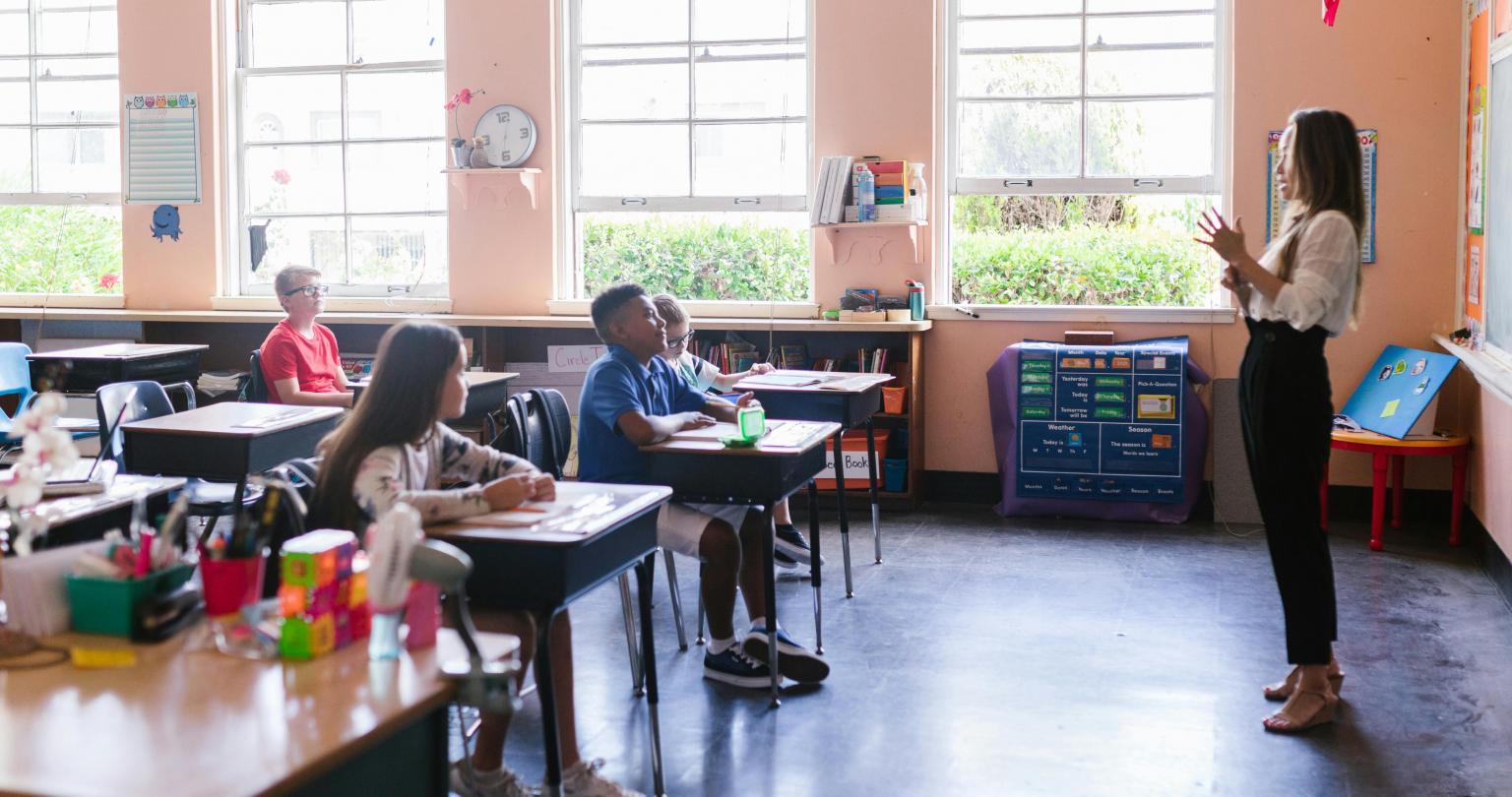
Explore the latest data on how clearer expectations from school systems can help teachers reduce burnout, stay in the classroom, and better engage their students.

AI is quickly becoming an everyday feature of the classroom. Education industry leaders and researchers say schools must equip teachers with clear guidance, practical training, and a voice in shaping how it is used.

Even the most engaged users of artificial intelligence are less positive about it than they were a year ago.

What does AI actually mean to the generation growing up with it? A new survey focused on Gen Z’s relationship with AI finds a generation that is engaged, increasingly anxious, and looking to schools for guidance.

Building future-ready schools starts with listening to the students who are already leading the way. At the 2026 SXSW EDU, student journalists, researchers, and advocates shared what it really takes to prepare for the future, and why their voices should shape how schools get there.
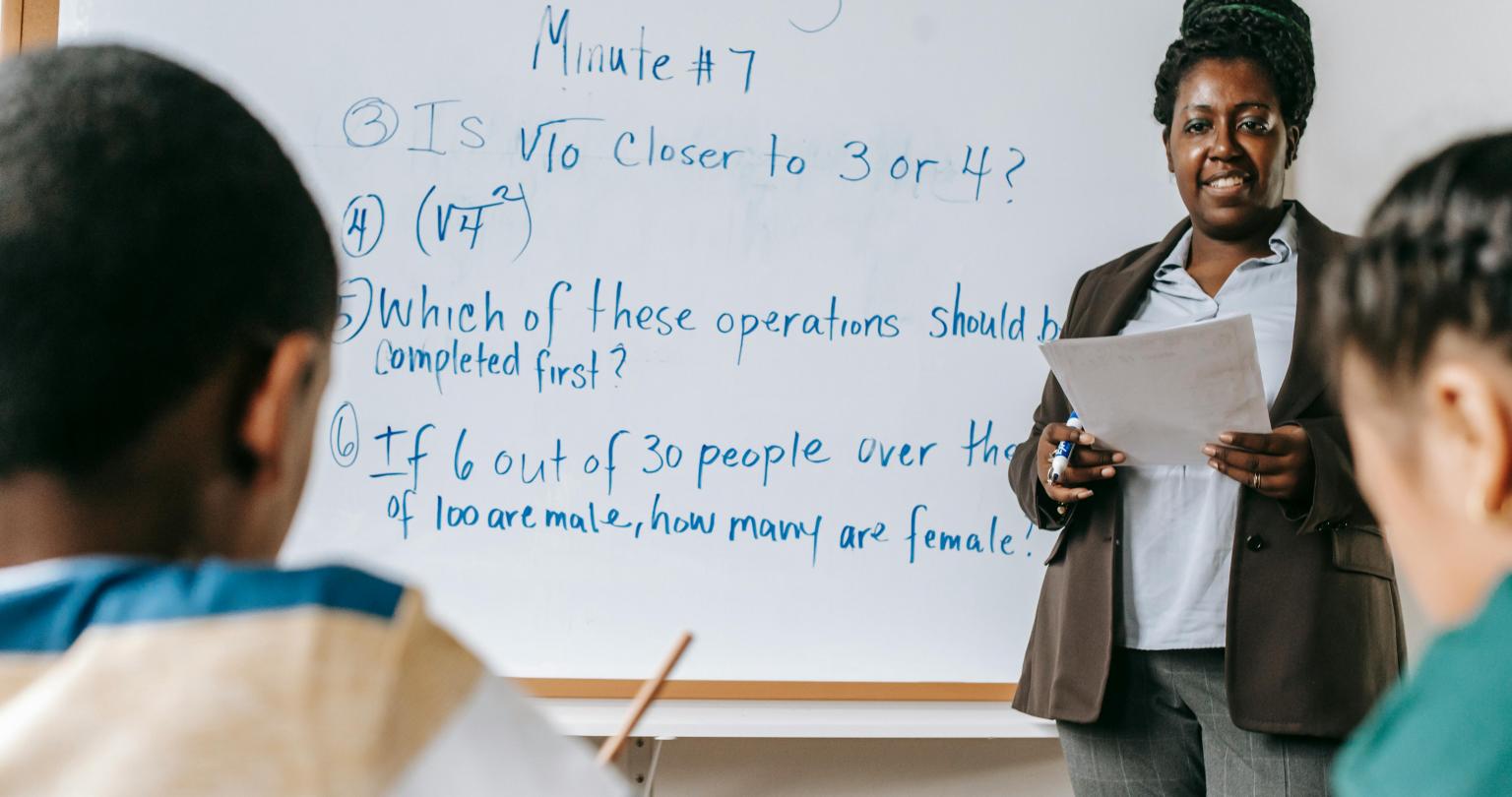
New research from the Walton Family Foundation, the Bipartisan Policy Center, and Gallup finds that 71% of teachers have a paid position beyond their primary teaching job. One in five says they find it difficult to get by financially.
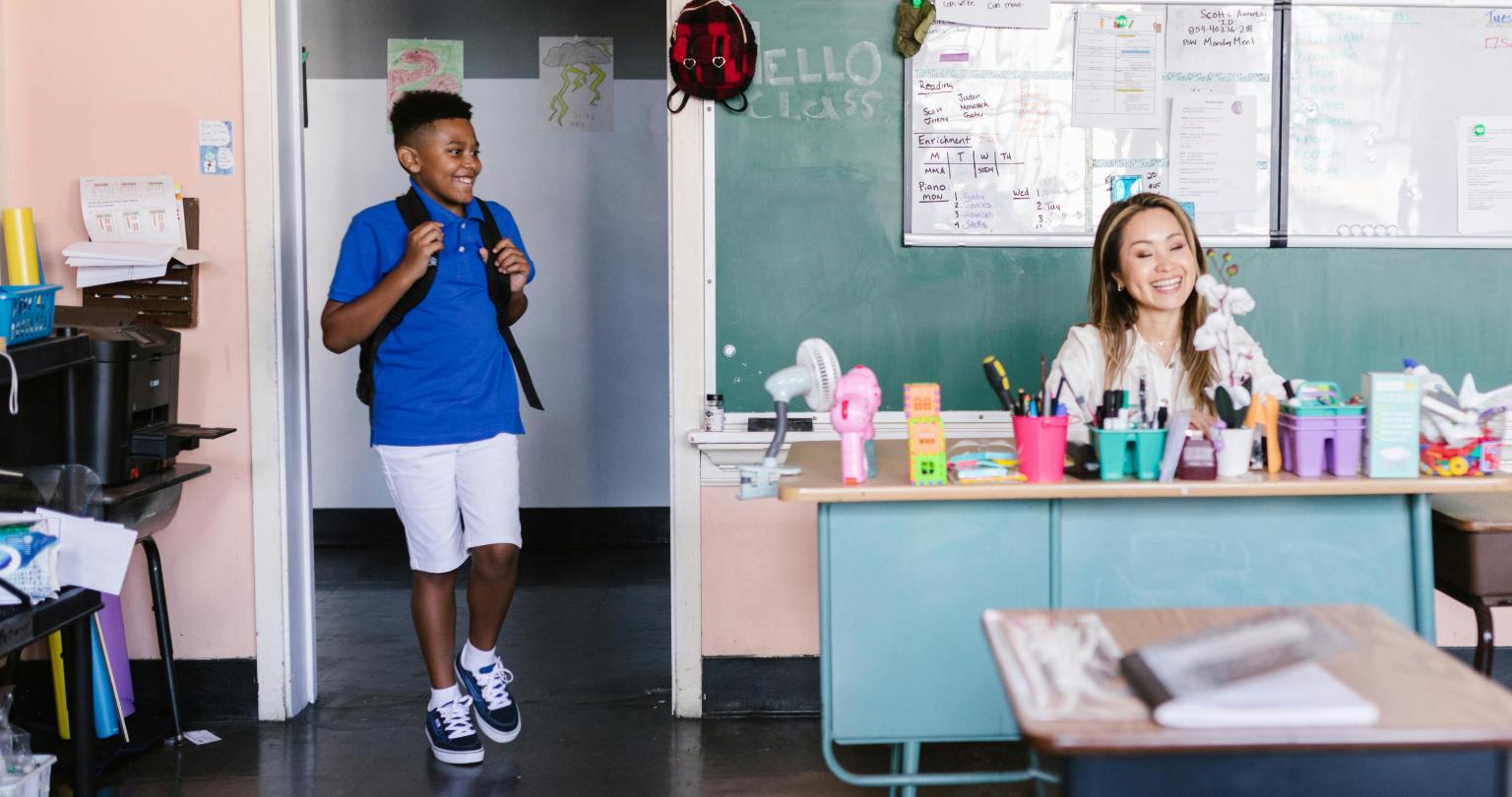
When students feel safe, supported, and seen by their teachers, they don't just learn better — they show up more, engage deeper, and build confidence for their futures.
