
Resources > Teacher Perceptions > How Clear Expectations Set Teachers Up to Succeed

How Clear Expectations Set Teachers Up to Succeed

Explore the latest data on how clearer expectations from school systems can help teachers reduce burnout, stay in the classroom, and better engage their students.
May 27, 2026
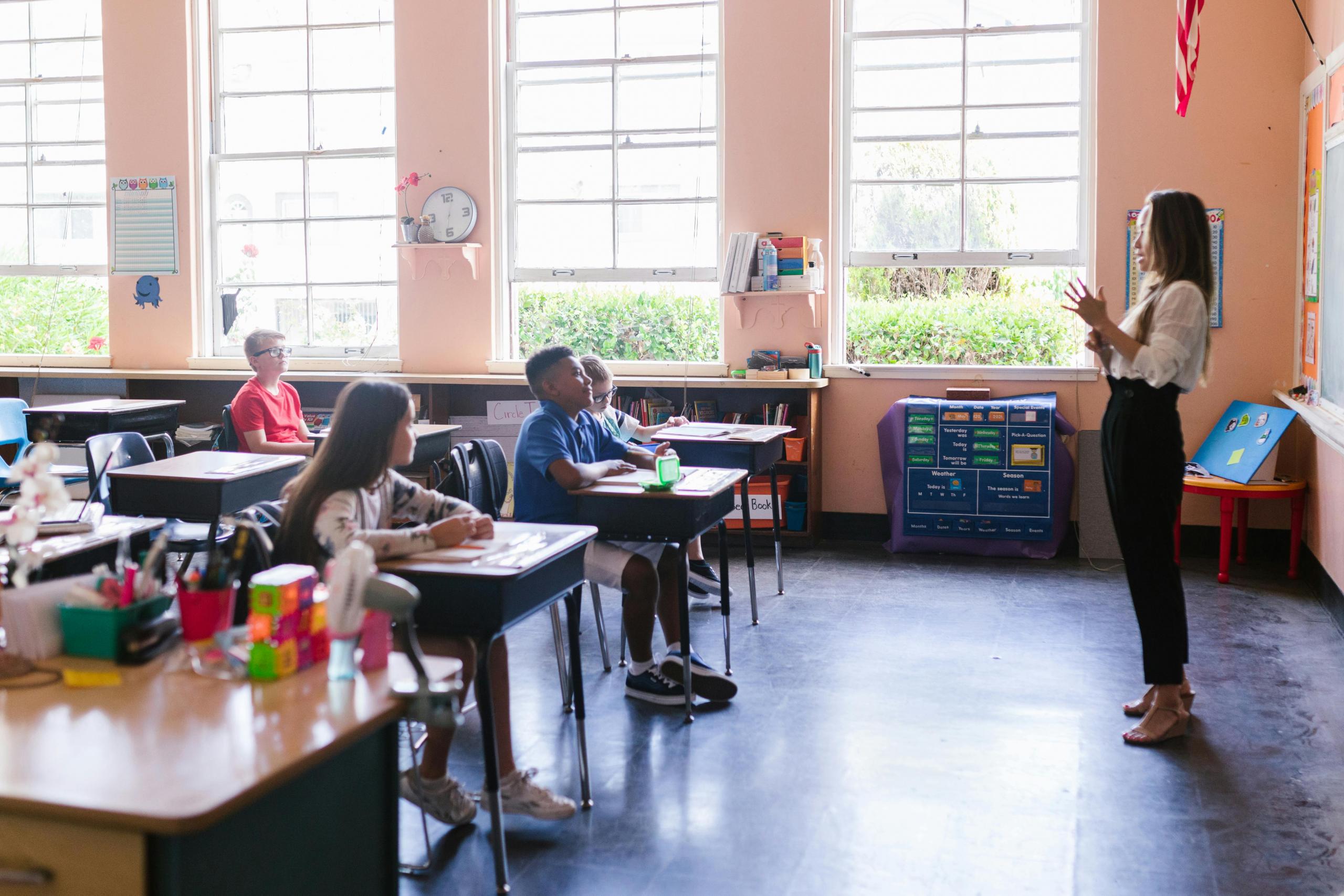
Teacher speaking at the front of the room with elementary kids sitting at their tables.

Today’s teachers are juggling far more than just their lesson plans. They’re guiding students through the responsible use of AI, supporting their well-being, differentiating instruction to meet each learner’s needs, and preparing students for life beyond the classroom. They are doing so all while adapting to rapidly shifting expectations themselves.

To understand how teachers are navigating these demands, the Walton Family Foundation and Gallup surveyed teachers across the nation to examine how expectations are shaping teachers’ day-to-day experiences and ability to thrive.

THE BIG PICTURE: As demands continue to grow, teachers are more likely to thrive when school systems communicate priorities clearly, set realistic expectations, and provide meaningful support. These conditions are not only linked to stronger teacher satisfaction and retention, but also to more stable learning environments for students.

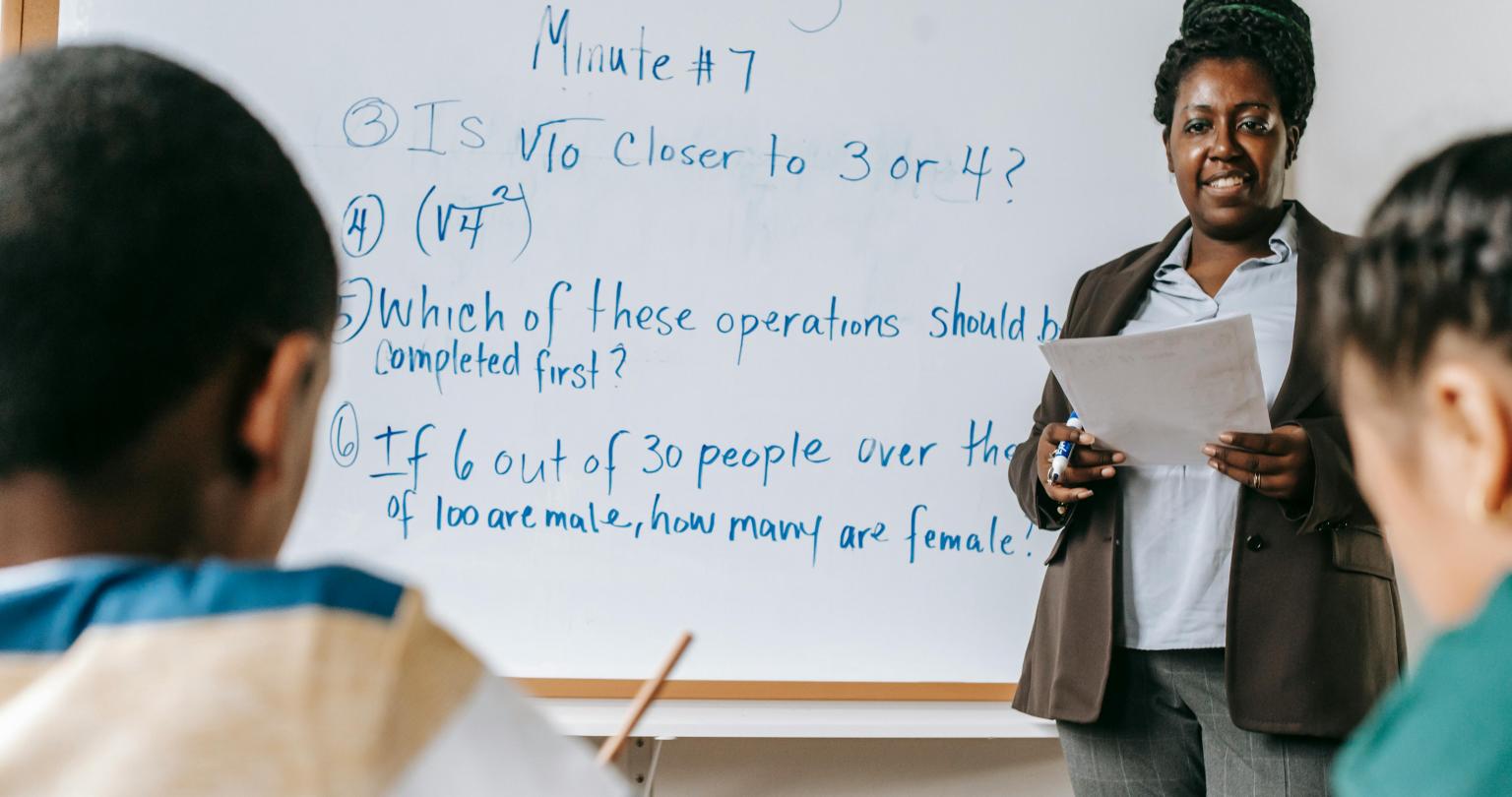
For many teachers, there is misalignment between what they feel is expected of them and the day-to-day realities of the classroom. Depending on the topic, between 16% and 36% of teachers say their job expectations are unclear.

This gap has clear consequences, contributing to teacher retention and burnout.

When teachers say their job expectations are realistic and aligned with what is actually possible, their experience of the job shifts in meaningful ways.

Those teachers are:

  • 27 percentage points more likely to be engaged at work
  • 21 percentage points more likely to be satisfied with their jobs
  • 18 percentage points less likely to experience regular burnout

.

The gap between expectations and reality is most visible in two areas where teacher responsibilities have grown: future readiness and AI. 

On future readiness, expectations for how teachers must prepare students for life after high school vary significantly across schools:

  • About three-quarters of high school teachers (74%) and 55% of middle school teachers say they feel at least some responsibility for career exploration. This indicates broad but uneven ownership of this work across grade levels.
  • Teachers are also more likely to feel responsible for helping students identify their strengths and interests (47%) than for explicitly connecting those to their future.
  • As AI becomes a central part of learning in classrooms, only 25% of schools have formal policies on student AI use. 
Teachers are really good at supporting students when they understand the way something works, right? And so we're thinking about how we support teachers. We really need them to understand, what is AI, and how does it function?
Dr. Nia Ladson
Leading Educators

THE TAKEAWAY: How teachers experience their job expectations directly shapes outcomes like job satisfaction, teacher retention, and student success. School systems have an important role in creating more stable and effective learning environments where both educators and students can succeed.