Resources > Gen Z Attitudes > What Students Are Saying About Building Future-Ready Schools

What Students Are Saying About Building Future-Ready Schools

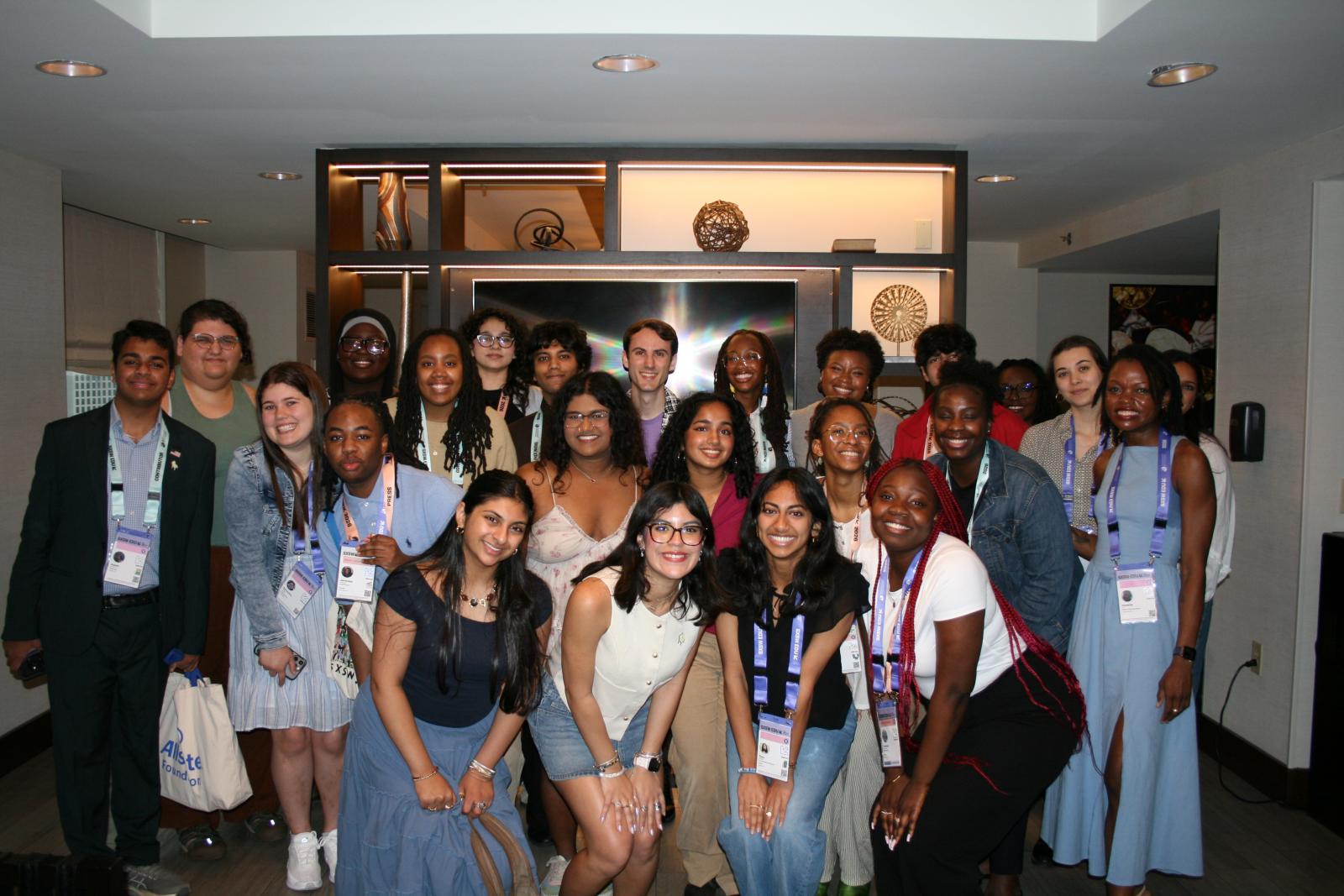
Building future-ready schools starts with listening to the students who are already leading the way. At the 2026 SXSW EDU, student journalists, researchers, and advocates shared what it really takes to prepare for the future, and why their voices should shape how schools get there.
April 6, 2026
At the 2026 SXSW EDU, student journalists, researchers, and advocates shared what it really takes to prepare for the future, and why their voices should shape how schools get there.

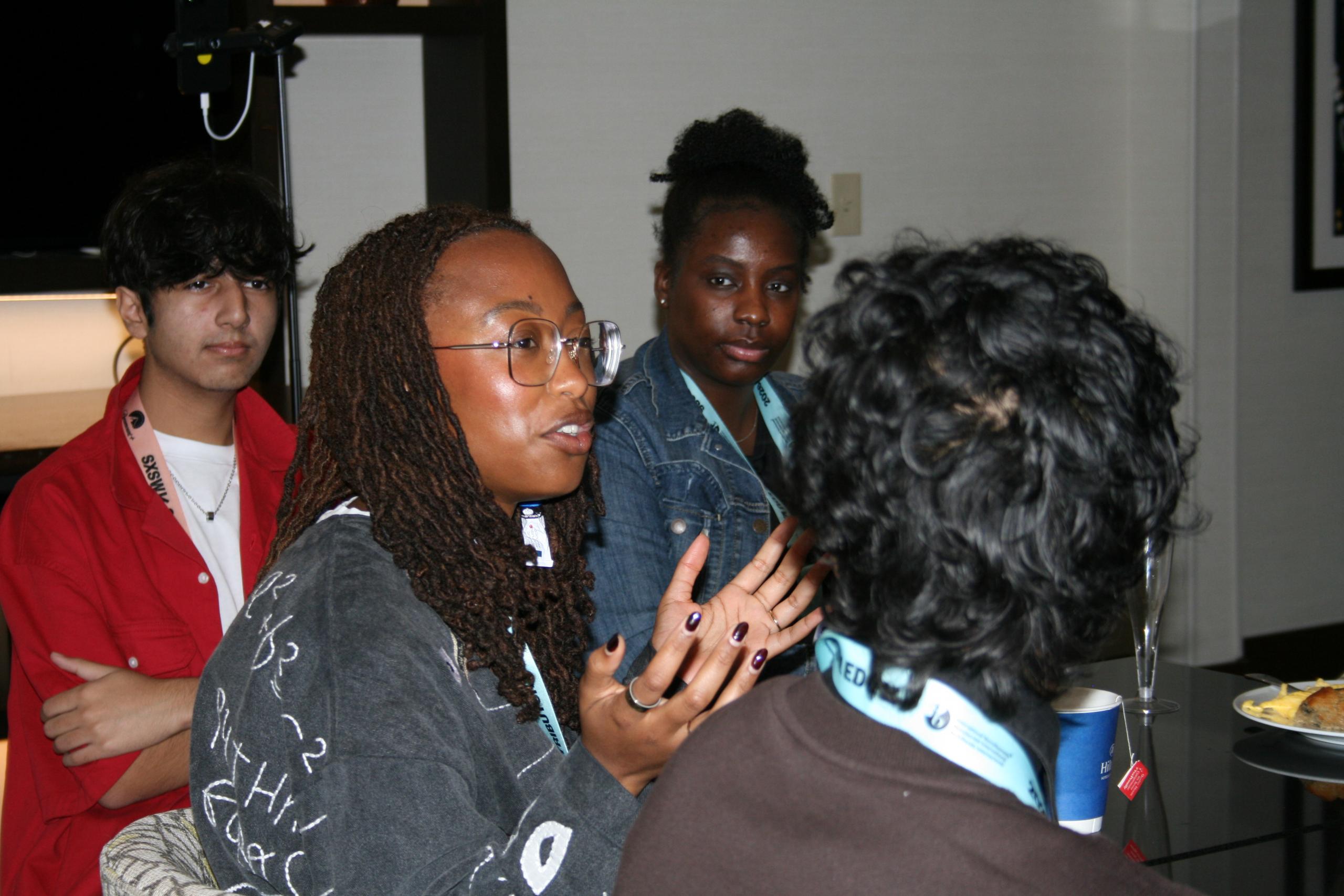
In conversations with student leaders from across the country at SXSW EDU, many students shared that they found their voice, confidence, and purpose when learning connected to their communities, their passions, and real-world problems they could help solve. Some found those experiences through journalism programs and debate teams. Others had to seek them out on their own. Schools have the opportunity to make those conditions part of the core learning experience for every student.

Building Student Voice and Leadership 

For students, leadership flourished in spaces where they felt heard, felt they belonged, and could make a difference. Again and again, students described how being given space to speak up changed what they believed was possible, and how that experience made them want to open the same doors for others.

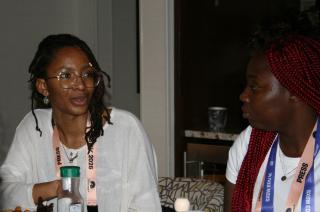


As a student, you have to know how to use your voice productively. Every student has their own story, their own background, something unique they bring to the table.
Valentina
Texas, College Student
Student Attendee to the 2026 SXSW Student Breakfast

“Our stories are powerful. Vulnerability is our strength, and there’s nothing that can replace our lived experience.”

AYAAN, VIRGINIA, HIGH SCHOOL STUDENT

“A lot of us actually know so much—if not the most—about our own experiences, yet we’re not the ones in charge of our own destiny. So for me, it’s about using the opportunities I have to get into those spaces, to sit at the table, and to help make positive change.”

KENNEDY, KENTUCKY, COLLEGE STUDENT


Teachers who modeled civic engagement, mentors who opened doors, and programs that rooted students in their communities were instrumental in helping students build their confidence to speak up and lead.


“I was really inspired by my teachers. They were also encouraging me to speak at a board meeting. Seeing people, especially in my school actually care, inspired me to show other people to speak up.”

CHRISTIANNA, TEXAS, HIGH SCHOOL STUDENT

“What helped me build confidence was my high school Speech and Debate team. I think part of it is that it helps you develop speaking skills, but it also makes you really aware of the issues happening around you.”

SUMYA, TEXAS, COLLEGE STUDENT


I don’t think anything can replace being in your community and speaking with the people who are most directly affected. That’s what’s been really inspiring to me.
APONI
NEW YORK, HIGH SCHOOL STUDENT
Student Attendee to the 2026 SXSW Student Breakfast

What these students experienced mirrors findings from the third annual Voices of Gen Z study: students are most engaged when teachers make learning interesting and when adults encourage their goals. That engagement has real stakes, with engaged students significantly more likely to say they are thriving, optimistic, and prepared for life after graduation.

Students Want Pathways to Connect Their Passions to Their Futures

Many students arrive at school with existing interests, goals, and things that they care deeply about. What they’re missing is the pathways that help connect their passions to real-world opportunities. For many students, those pathways aren’t available in their schools.


I wanted to get into journalism, and at my school, there was no access to journalism education anywhere. So I kind of felt stuck.
JEREMIAH
NEW YORK, HIGH SCHOOL STUDENT
Student Attendee to the 2026 SXSW Student Breakfast

“I was in this place where I said, ‘Hey, I want to do this incredible student-led research.’ My peers and parents were really supportive. But my school was not giving me the space to do that.”

ZOE, VIRGINIA, COLLEGE STUDENT

“So many students are really passionate and know what’s important to us, but we can’t always translate that into real-world impact. We might have that passion, but do we have the connections?”

CAMERON, TEXAS, HIGH SCHOOL STUDENT

These students didn’t lack motivation or clarity; they lacked pathways that connect their ambition to real opportunities to make an impact. Research shows that about half of students don’t feel their coursework lets them use their strengths or challenge them in a meaningful way.


And yet, students who report more engaging school experiences are more likely to feel purposeful about their futures.

When asked what they would change about K12 education, students’ answers were consistently about bringing the real world into school and bringing students into the real world.


Student attendees to the 2026 SXSW Student Breakfast

“I think we need more project-based learning and real-world learning — working with organizations in your community and connecting with adults who can open doors.”

APONI, NEW YORK, HIGH SCHOOL STUDENT

“Students should be able to meet professionals, figure out what they want to do before they graduate, and get school credit for it. It should be part of the school day.”

HAYDEN, TEXAS, COLLEGE STUDENT

“Exposure to different fields and industries during K–12 is essential. It doesn’t always have to be an internship — just having access to professionals, especially ones who look like you or share your background, can make a huge difference.”

DENESHA, CHICAGO, COLLEGE STUDENT

The Opportunity

Throughout the conversation, students emphasized wanting spaces where they can develop their voices and pathways that connect their passions to real-world opportunities. By building schools with students, there’s an opportunity to create conditions that don’t just prepare students for their futures but also empower them to lead.