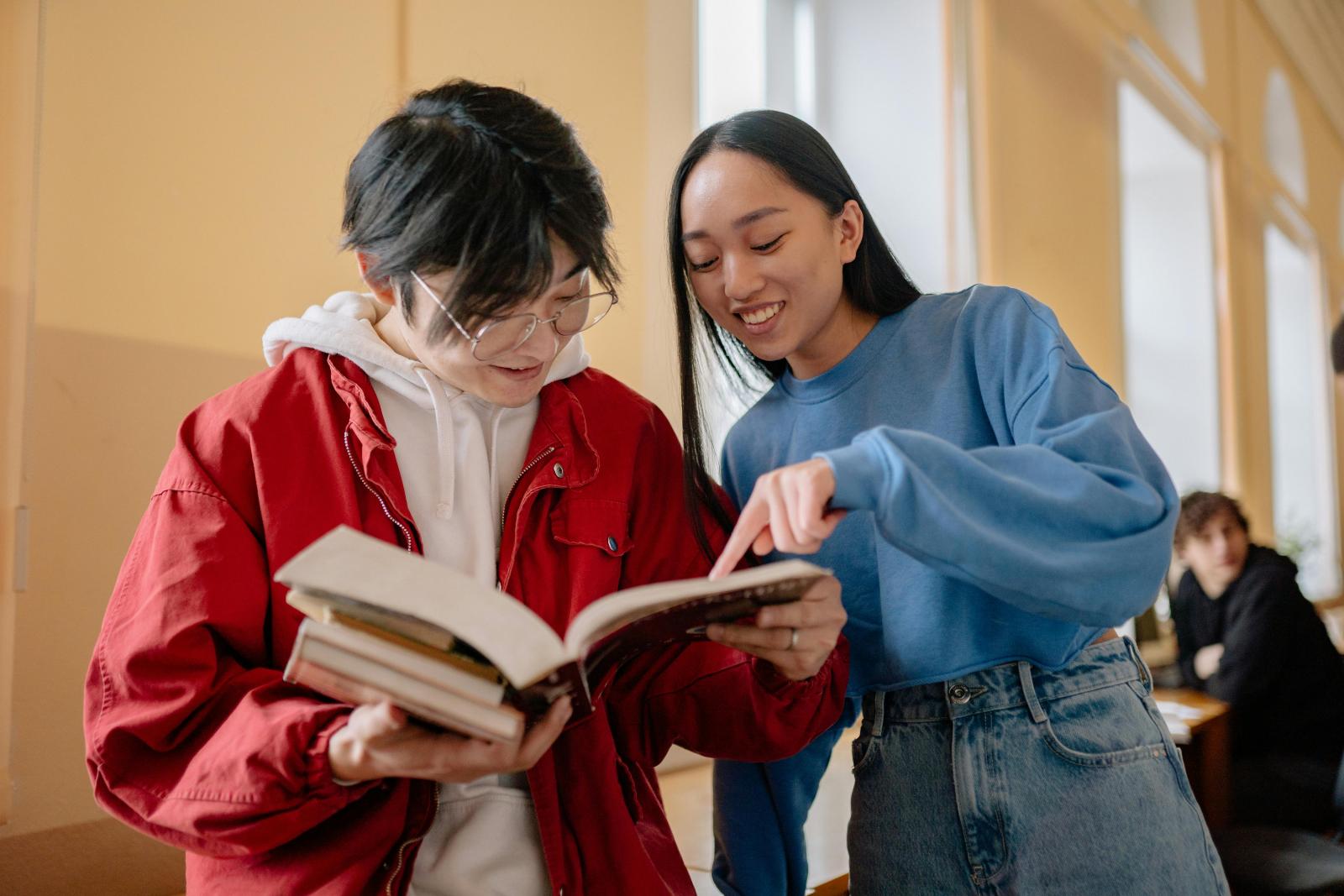


Teachers who use AI weekly save an average of 5.9 hours per week — equivalent to six extra weeks each school year. Explore how teachers are using AI in the classroom, the challenges they face, and the potential of these tools to save time, personalize instruction, and support student success.
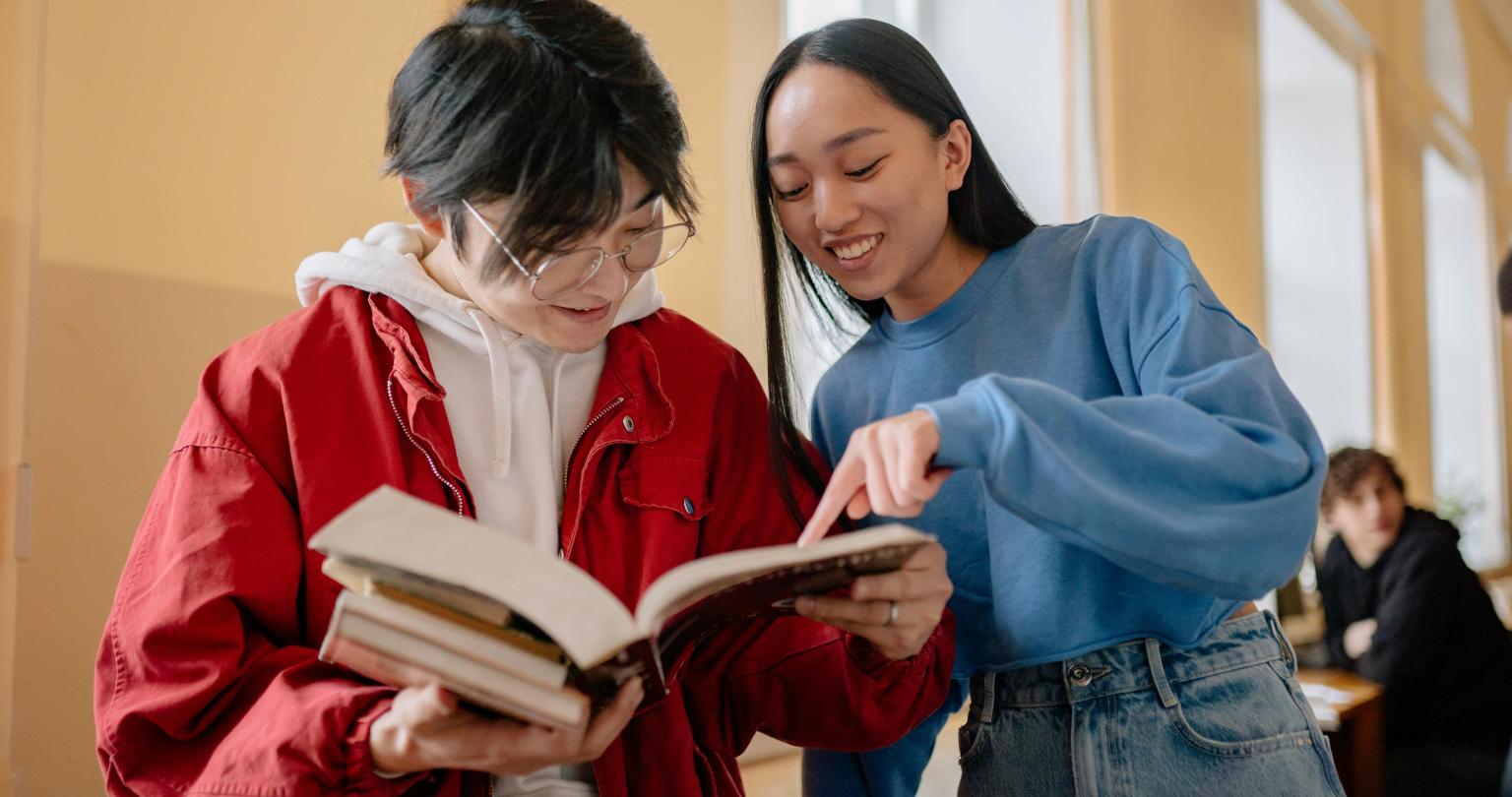
Students raised America’s school grade from B- to B this year, marking the first improvement since the poll began.
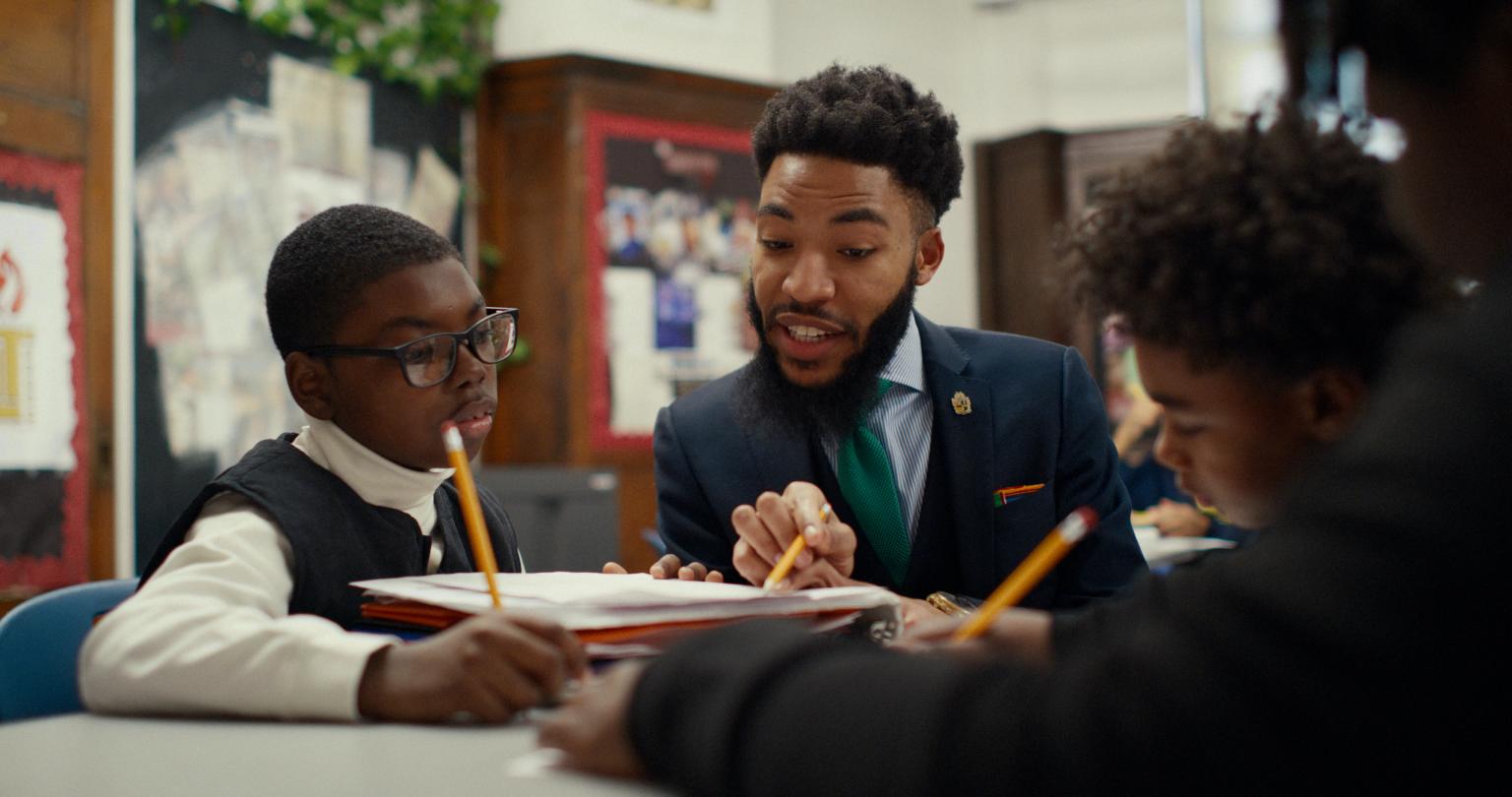
New study shows parent, student, and teacher perspectives towards AI and it's use in teaching and learning. The findings show that educators and students embrace innovation and are optimistic that AI can meaningfully support traditional instruction.
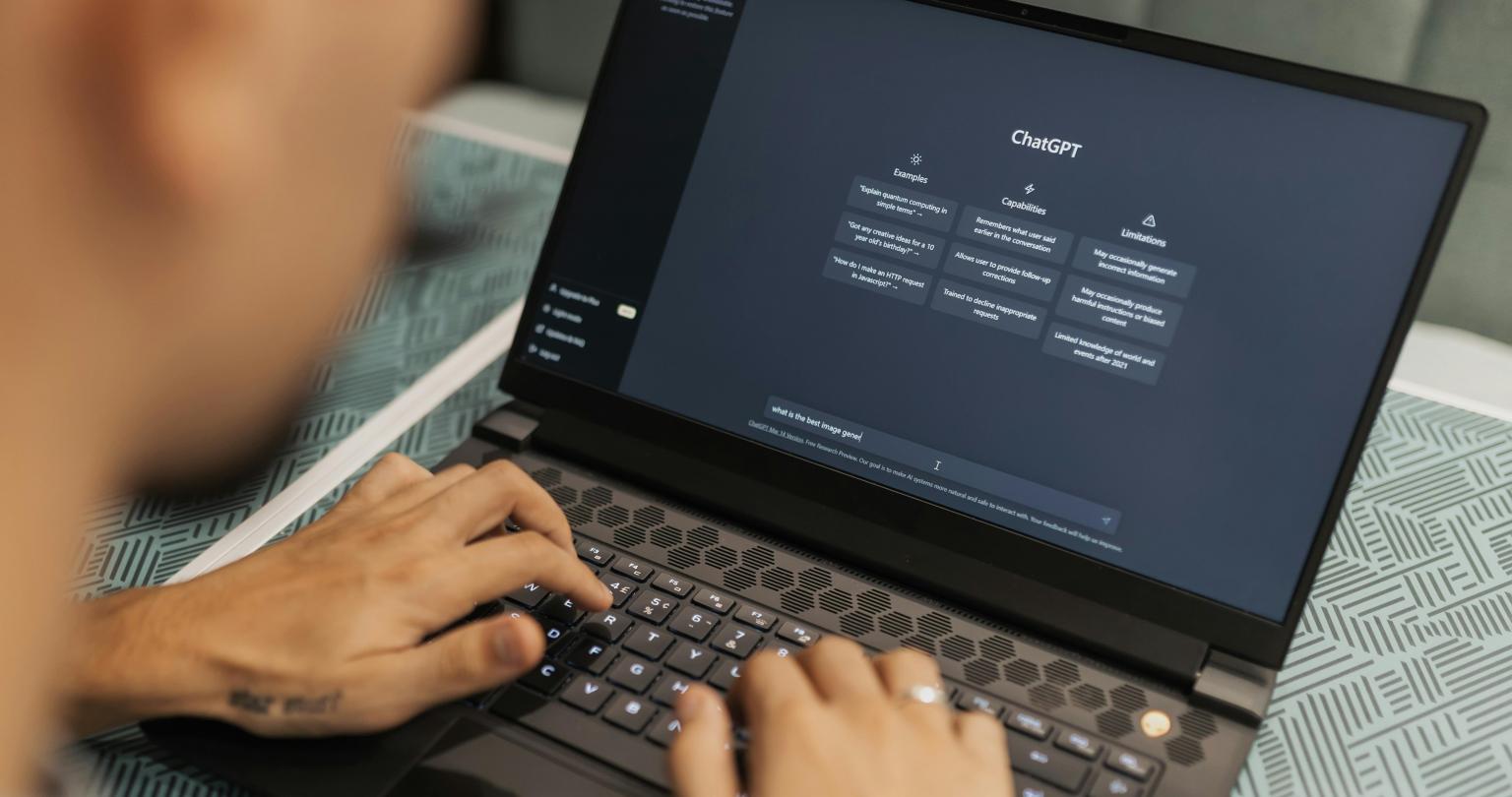
In America’s heartland, Gen Z is embracing AI more than ever. However, many still lack access to AI technology and education on how to use it effectively. As AI changes the dynamics of work and learning, young people in the heartland are providing powerful insights into how to prepare students for success.
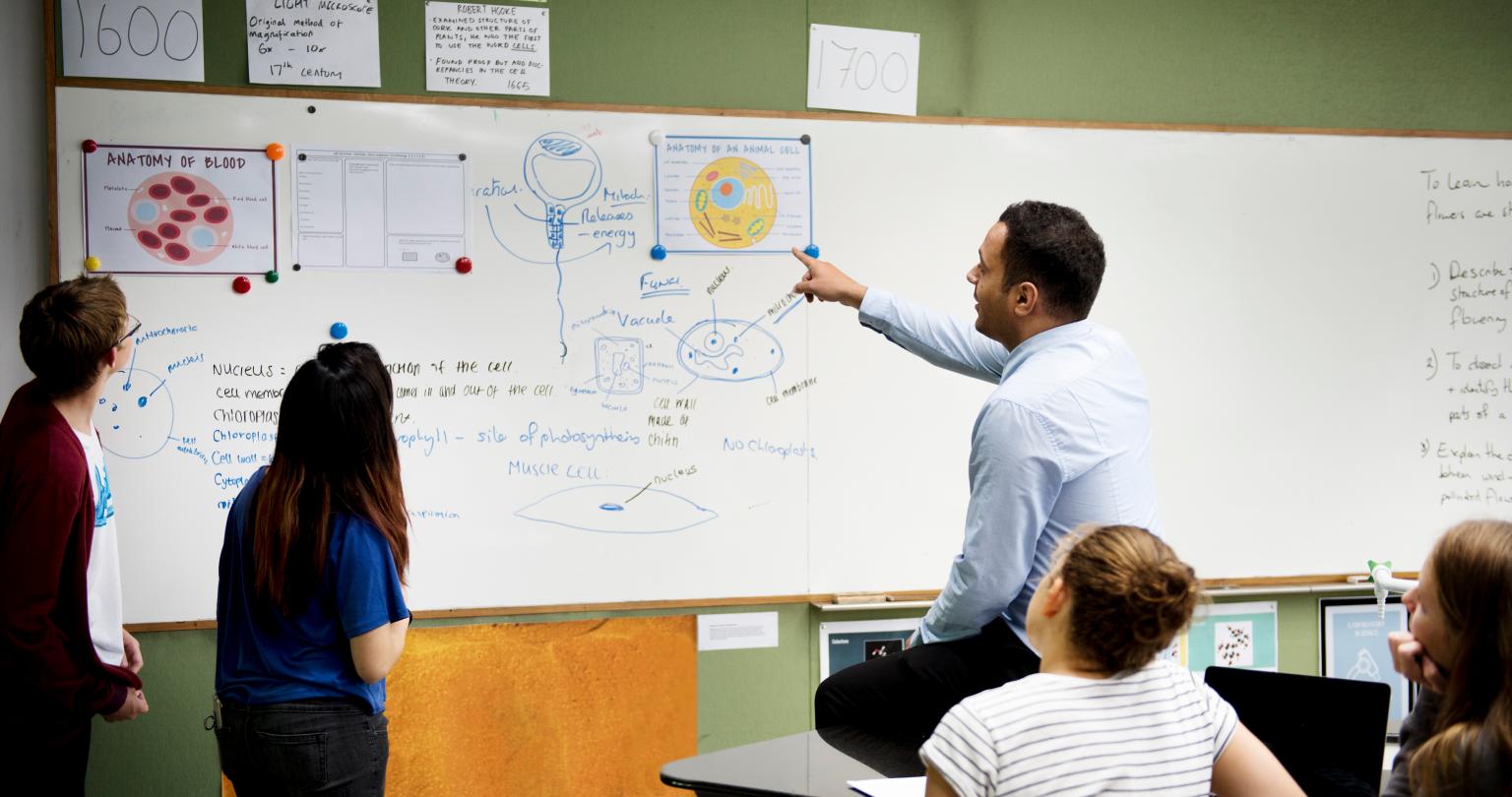
To improve student outcomes for Gen Zers and beyond, the Walton Family Foundation partnered with Gallup to ask nearly 2,000 public K-12 teachers what they need to stay and thrive in the profession. By providing educators with the resources, autonomy, and opportunities for growth they need, schools can retain talent and prepare students for a brighter future.

As AI reshapes how we work, learn, and connect, Gen Z — the most digital-savvy generation — has questions about its impact. Explore how they’re using AI, where knowledge gaps remain, and how schools and employers can help them build the skills and confidence for a tech-driven future.

Black Gen Zers consistently report higher levels of optimism and fulfillment compared to their peers. What can we learn from their experiences to build a more effective education system?

The Walton Family Foundation and Gallup released new research from one of the largest national surveys tracking Gen Z's sentiments. The new study offers insights into Gen Z's views about their lives, schools, and future. This information may help readers enhance student experiences and help Gen Z thrive.
The Walton Family Foundation partnered with Gallup to survey students across the country for the second year in a row. According to students, schools have room to grow in areas like making learning exciting for students and preparing them for their future careers.